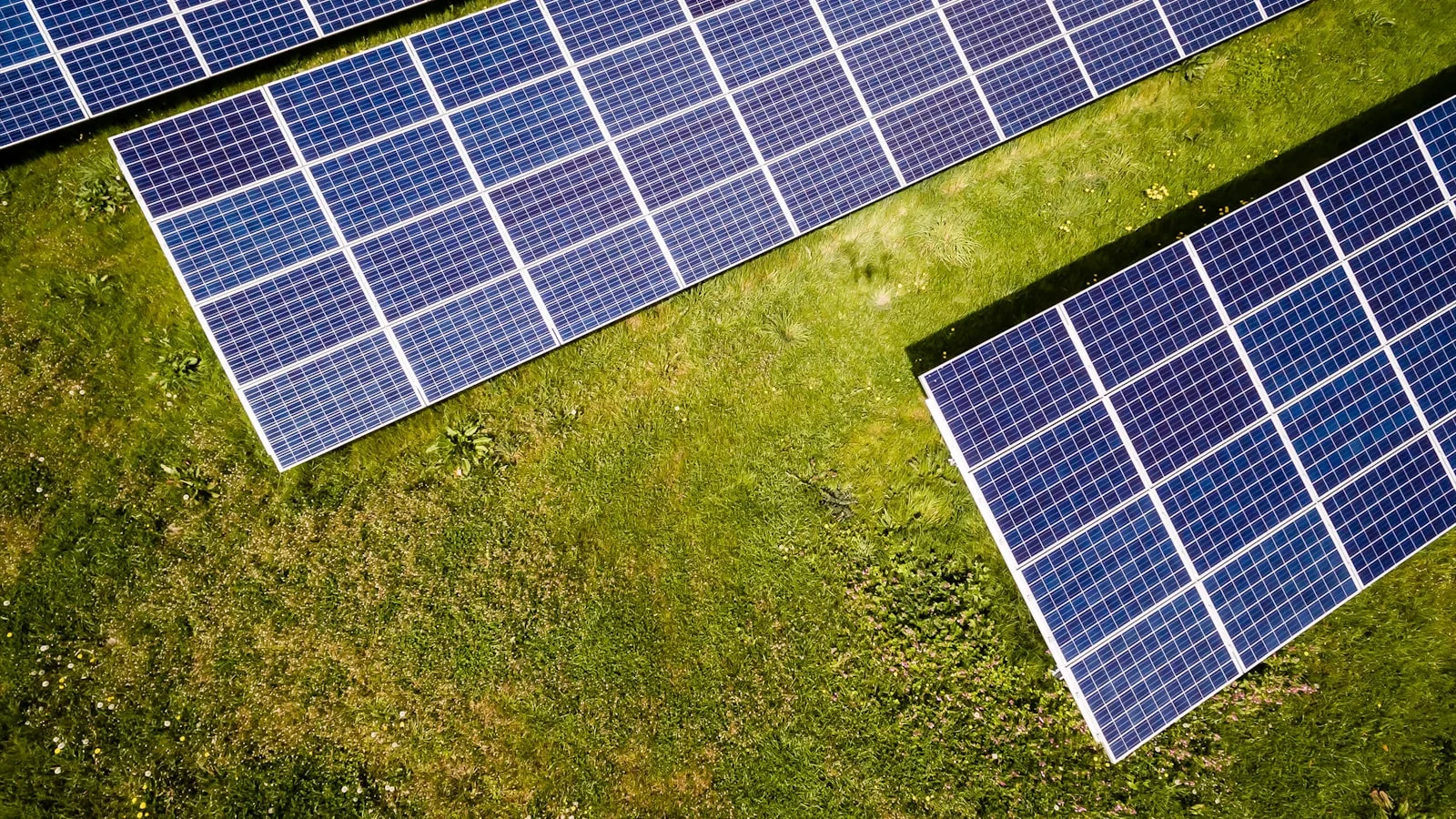
Energy Communities
Renewable Energy Communities
One company's surplus can power other member businesses.
A Renewable Energy Community (REC) brings together two or more entities — businesses, public bodies, cooperatives — who share the energy produced by one or more solar systems, while also splitting grid access costs.
It is the ideal solution for business parks, industrial zones, logistics hubs, or any group of nearby organisations that want access to clean energy without each one investing in their own system. Portuguese legislation (DL 162/2019) allows shared energy to be discounted directly on each member's electricity bill. Being renewable and local, that energy also counts, measurably, towards each member's decarbonisation and ESG targets.
We structure the community from scratch — internal regulations, management entity designation, energy sharing model, shared system sizing, installation and grid connection.
Two routes into an energy community
A community can start from a plant that already exists or from a project still to be built. We work both sides — and in either case Watton takes on the asset, the licensing and the operation.
Acquisition
We buy photovoltaic plants already in operation — through direct purchase or an operating contract — and integrate them into an energy community. The owner releases the capital tied up in the asset and stops carrying the technical risk, maintenance, and regulatory complexity; the generation is then shared among consuming businesses in the same grid zone.
What's included
- Asset assessment and value proposal, using existing documentation as a starting point.
- Transfer of operational, technical and regulatory risk to our side.
- Repowering and repairs at our cost, where justified.
- Long-term operation and maintenance with our own team.
- Integration of the asset into a community and recruitment of consuming businesses on the same grid zone.
- Formalisation of the acquisition or operating agreement, with legal support.
Development
We develop the community from start to finish: feasibility, licensing, internal regulations, sharing quotas, installation and grid connection. Your route into the community depends on your role — consumer or producer — and we have a path for each.
What's included
- Feasibility study using real load profiles from the members.
- Licensing and grid connection handled by us.
- Internal regulations and quotas written before any installation.
- Recruitment and onboarding of consuming businesses.
Participation modalities
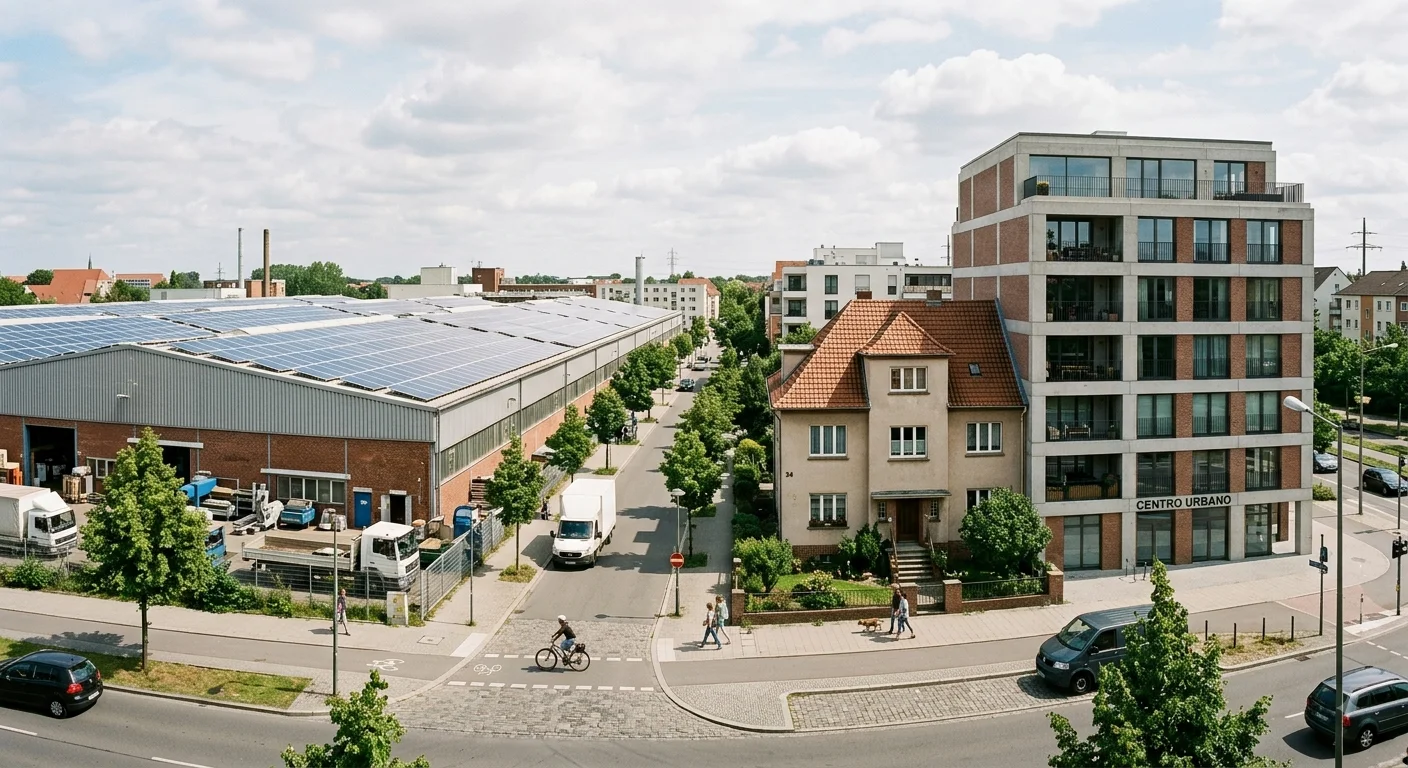
I want to consume energy from a community
Your company joins an existing or forming energy community near your installation. The solar generation from one or more local producers is shared among members — directly on the bill, with no new equipment or upfront investment.
- No equipment investment and no intervention on its own installation.
- A fixed share of the output, discounted from billed consumption.
- Can join or leave the community without affecting the installed system.
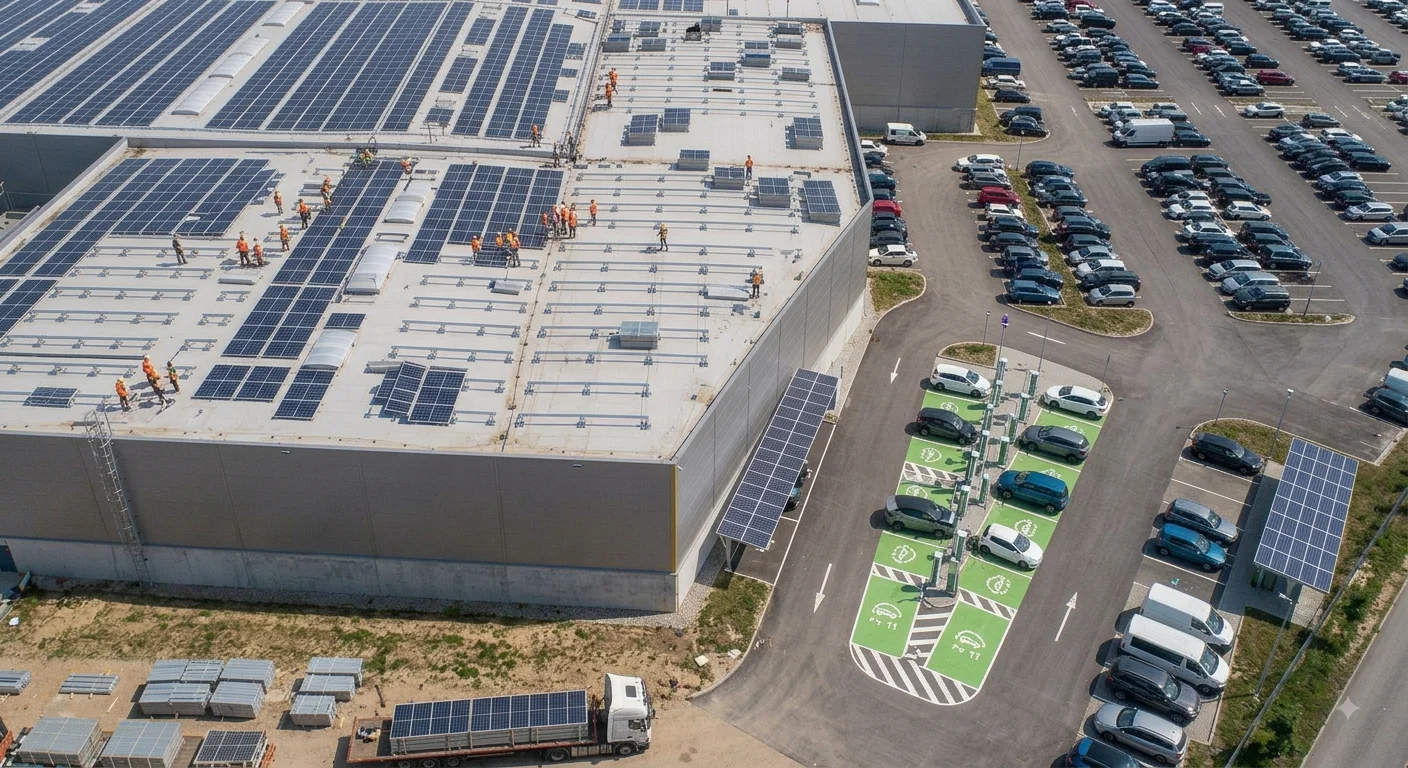
I want to install and share generation
Do you have a rooftop, land or industrial facility with solar potential? Calculate the available area and generation potential — Watton handles the licensing, organises the community around your installation, and recruits the consuming businesses.
- Provides the installation area: roof, car park or land.
- Takes the largest share, usually proportional to its own consumption.
- Acts as the community's reference point for licensing and grid connection.
Want to become a Watton agent?
Do you work in energy or electrical installation, or hold a client base in your region? Watton rewards those who bring contacts into communities.
One solar system, several consumers
In an energy community, one participant hosts the solar system — the producer member — and the output is split into shares between all members connected to the same section of the grid. Switch between day and night to see what changes.
By the end of the day
Example figures for a typical installation of 250 kWp with 200 kWh of storage and 1,400 kWh of daily consumption. Not a commercial offer.
How the energy is split
Illustrative example. Shares are set in each community's internal regulations according to each member's consumption, and the total across active members never exceeds 100%. We draft those regulations with you before any installation begins.
Peak — maximum sharing
Generation on a single roof
The system goes on the participant with the most available area — industrial roof, car park canopy or adjacent land.
Split into shares
Each member has a defined percentage of the output, allocated by the grid operator and deducted from its billed consumption.
Surplus put to use
Whatever no member consumes at that moment charges the storage system, if there is one; only what is left over goes to the grid.
See the hour-by-hour figures
| Hour | Generation (kWh) | Shared (kWh) | Storage (%) | Grid (kWh) |
|---|---|---|---|---|
| 00:00 | 0 | 0 | 0 | 27 |
| 01:00 | 0 | 0 | 0 | 27 |
| 02:00 | 0 | 0 | 0 | 27 |
| 03:00 | 0 | 0 | 0 | 27 |
| 04:00 | 0 | 0 | 0 | 29 |
| 05:00 | 0 | 0 | 0 | 36 |
| 06:00 | 0 | 0 | 0 | 51 |
| 07:00 | 15 | 15 | 0 | 55 |
| 08:00 | 43 | 43 | 0 | 43 |
| 09:00 | 77 | 77 | 0 | 18 |
| 10:00 | 111 | 97 | 6.5 | 0 |
| 11:00 | 140 | 97 | 27.2 | 0 |
| 12:00 | 161 | 86 | 63.1 | 0 |
| 13:00 | 171 | 87 | 100 | 0 |
| 14:00 | 168 | 97 | 100 | 0 |
| 15:00 | 152 | 97 | 100 | 0 |
| 16:00 | 127 | 88 | 100 | 0 |
| 17:00 | 94 | 72 | 98.9 | 0 |
| 18:00 | 59 | 51 | 97.2 | 0 |
| 19:00 | 28 | 40 | 90.7 | 0 |
| 20:00 | 5 | 34 | 75.6 | 0 |
| 21:00 | 0 | 29 | 60.4 | 0 |
| 22:00 | 0 | 27 | 46.3 | 0 |
| 23:00 | 0 | 27 | 32.2 | 0 |